Updated
The Justice Department is asking potential CB Surety fraud victims to come forward after Thomas Emil Eide, the former owner of CB Surety LLC, pleaded guilty to conspiracy to commit bank fraud. DOJ says the operation processed more than $111 million for merchant clients, while more than $3.3 million in transactions resulted in consumer-initiated refunds and chargebacks. The $111 million figure is not a verified consumer-loss total.
Key Facts
- Eide pleaded guilty on August 20, 2026; DOJ announced the plea on August 21.
- DOJ says CB Surety and its merchant network processed more than $111 million in transactions.
- The plea agreement’s factual basis identifies more than $1.2 million in refunds and more than $2.15 million in consumer-initiated chargebacks.
- DOJ is seeking people charged by companies on its official list when a charge was unauthorized or goods or services were not received.
- The amount of restitution has not yet been determined, and submitting information does not guarantee a payment.
What happened in the CB Surety fraud case
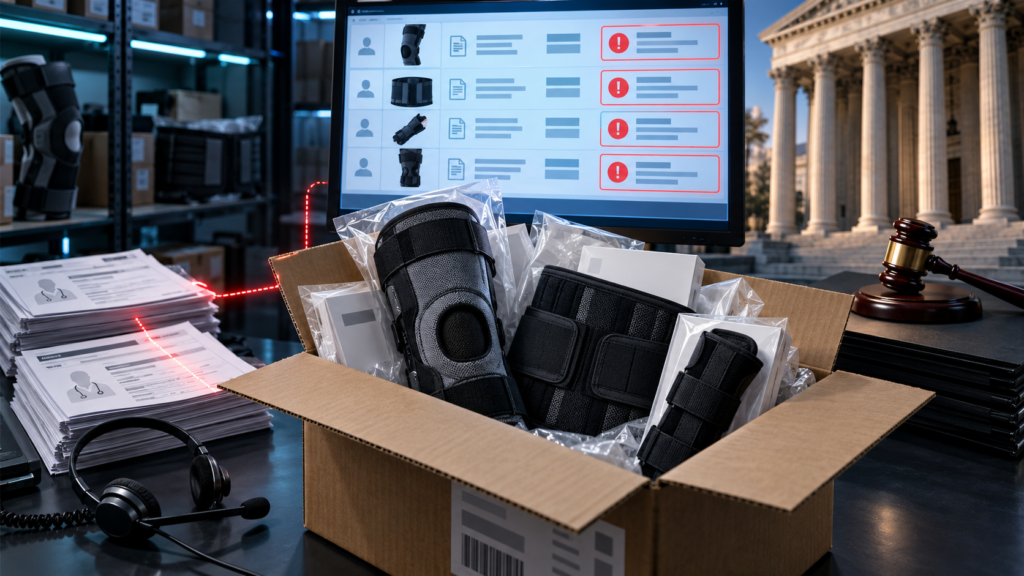
According to the Justice Department’s August 21 announcement, Eide owned CB Surety and admitted participating in a scheme that helped merchant clients obtain and keep access to bank accounts they otherwise could not lawfully maintain.
The admitted conduct ran from about March 2017 through December 2023. The plea documents say sham companies and straw owners were used to obtain merchant accounts, while fake websites, contracts and contact information helped make those businesses appear acceptable to bank underwriters.
The scheme also used high-volume, small-dollar transactions to manipulate chargeback rates. Adding sham transactions made the percentage of disputed transactions look lower, reducing the chance that banks would close merchant accounts for excessive refunds or chargebacks.
What the official records say about the $111 million
The $111 million number needs context. It represents transactions processed for CB Surety’s merchant clients; DOJ does not say that American consumers lost $111 million.
The filed plea agreement and factual basis provide a narrower consumer-related figure. They state that the transactions included more than $1.2 million in refunds from at least 21,465 transactions and more than $2.15 million in consumer-initiated chargebacks from at least 21,037 transactions.
Those counts are transactions, not necessarily unique victims. The public records reviewed by Fiscal Wire News do not establish how many individual consumers will ultimately qualify for restitution.
Who may be a potential CB Surety fraud victim
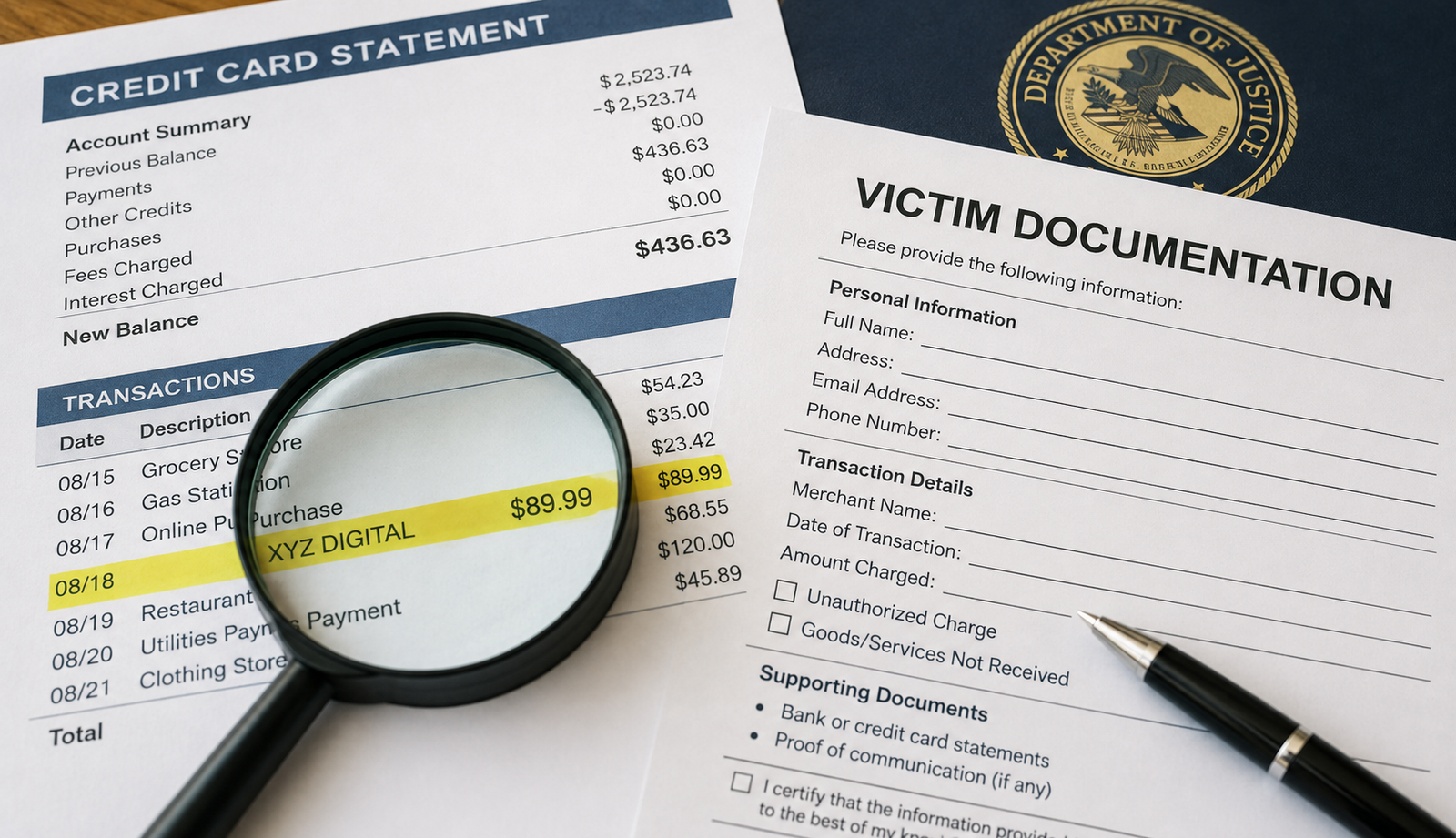
A key detail is that a bank or card statement may not display “CB Surety.” DOJ has published a long list of company names connected to the victim-identification process.
On the official United States v. Thomas Emil Eide victim page, DOJ asks people to respond if they were charged by one of the listed companies and either the charge was unauthorized or they did not receive the goods or services for which they were charged.
For potential CB Surety fraud victims, the merchant name is therefore the first detail to check. DOJ says a submission must include supporting documentation, including bank or credit-card statements showing the charges and a clear identification of authorized versus unauthorized transactions.
What changed — and what did not
The new development is Eide’s guilty plea and DOJ’s effort to identify additional potential victims in criminal case 26-CR-0109. Eide has not yet been sentenced. A status conference regarding sentencing is scheduled for November 12, 2026, before Chief Judge Troy L. Nunley.
There is no announced flat refund amount. The plea agreement states that Eide agreed to pay full restitution to victims affected by the offense, but the total amount has not yet been determined. The DOJ case page reviewed August 22 also did not publish a victim-form submission deadline.
Submitting the form is not the same as being approved for restitution, and it does not guarantee when or how much anyone will receive.
What potential victims should do now
- Use the DOJ company list first. Compare merchant names on the official case page with old bank and card statements. Do not search only for “CB Surety.”
- Preserve the original statements. Save records showing the date, amount and company name for any transaction you believe was unauthorized or unfulfilled.
- Separate authorized and disputed charges. DOJ specifically asks submitters to identify which charges were authorized versus unauthorized.
- Complete the official DOJ victim form. Use the CB Surety victim data collection form and follow the submission instructions on the federal case page.
- Handle any bank or card dispute separately. A DOJ restitution submission does not replace contacting your financial institution. For credit-card billing errors, the CFPB explains the federal dispute process and timing rules.
Avoid posting account numbers, full statements or other sensitive information publicly. Send records only through channels you independently verify as official.
Official CB Surety fraud victim help
DOJ’s case page lists the Victim Assistance Line at (888) 549-3945 and the email address victimassistance.fraud@usdoj.gov. Use the official case page to verify those details before sending financial records.
Bottom line
The CB Surety fraud case has moved from charges to a guilty plea, and DOJ is trying to identify additional people who may have documented losses. The safest first step is to compare statement descriptors against DOJ’s official company list and preserve supporting records.
The main limitation is clear: $111 million was the amount processed, not a confirmed consumer-loss or refund pool. Restitution has not yet been calculated, and no individual payment is guaranteed.
Editorial disclaimer: Fiscal Wire News provides news and general consumer information, not legal or financial advice. Eligibility for restitution or dispute rights depends on the facts of each case and the applicable rules.
Official Source Stack
Direct sources supporting the material claims in this report.
- Official agency release Justice Department's August 21 announcement
- Official agency release filed plea agreement and factual basis
- Official agency release official United States v. Thomas Emil Eide victim page
- Official agency release CB Surety victim data collection form
This report provides general news and educational information for a U.S. audience. It is not individualized financial, credit, legal, tax, insurance or investment advice. Verify current procedures through the linked official sources.