Updated
The Surro Connections indictment charges three people with federal fraud offenses tied to funds intended for surrogacy expenses. Prosecutors allege Surro Connections often collected more than $100,000 per client and later sent balance statements that did not reflect the money actually available. The case is pending, the defendants are presumed innocent, and no refund or claims program has been announced.
Key Facts
- The Justice Department announced the Surro Connections indictment on August 26, 2026.
- Three defendants face wire-fraud and wire-fraud-conspiracy charges; two also face money-laundering charges.
- Prosecutors allege more than $1.1 million was spent on personal expenses and more than $60,000 on luxury items.
- The indictment alleges false escrow balance statements were sent for more than 19 months.
- Potential forfeiture or restitution would require further court action and does not guarantee full recovery.
What Happened
The U.S. Attorney’s Office for the Northern District of California announced the charges against Surro Connections owner Megan Hall-Greenberg, her spouse and business manager Heather Morgan.
All three were charged by indictment with wire fraud and conspiracy to commit wire fraud. Hall-Greenberg and her spouse were also charged with money laundering and conspiracy to commit money laundering.
The indictment is an accusation, not a conviction. Prosecutors must prove the charges beyond a reasonable doubt, and the defendants are presumed innocent unless convicted.
What the Surro Connections Indictment Alleges
Surro Connections collected money intended to cover legal fees, medical expenses, surrogate compensation, travel and other costs. DOJ said those balances often exceeded $100,000 per client.
Prosecutors allege the defendants concealed the alleged misappropriation for more than 19 months. Hall-Greenberg and Morgan allegedly sent statements telling clients their money remained safely in escrow even though the relevant accounts had been drained.
The indictment further alleges that Hall-Greenberg and her spouse used more than $1.1 million in client funds for personal expenses. DOJ listed gambling debts, cruises, travel and a resort stay. Prosecutors also alleged spending above $60,000 on watches, purses, diamonds and other jewelry.
According to DOJ, more than $4.7 million from high-interest loans, incoming client payments and credit cards was then used in an effort to meet outstanding costs and delay the company’s collapse. The indictment says Hall-Greenberg emailed intended parents, surrogates and employees on December 5, 2025, that the company was ending operations immediately and could no longer perform its obligations.
Who May Be Affected
The alleged losses may involve intended parents, surrogates and providers expecting payment from client funds. The indictment does not establish a final victim count or determine each person’s recoverable loss.
Why “Escrow” Needs Independent Verification
An agency-generated balance statement does not, by itself, prove that client money is held in a legally separate escrow account. Families should identify the institution holding the funds, the account’s legal owner, who can authorize payments and whether the custodian is independent of the matching agency.
Rules vary by state and contract. California provides one useful example: Family Code Section 7961 generally requires a nonattorney surrogacy facilitator to direct client funds to an independent, bonded escrow company or an attorney trust account. It also restricts the facilitator’s financial relationship with the escrow company.
That California provision does not establish which state law governed every Surro Connections arrangement or prove a separate violation in this criminal case. It does show why the words “escrow account” should be checked against the contract, account ownership and custodian credentials.
What the Surro Connections Indictment Changes—and What It Does Not
The Surro Connections indictment starts a federal criminal case. It does not create an automatic repayment obligation, establish a victim list or resolve private contract claims.
DOJ said the defendants face possible forfeiture and restitution. Forfeiture concerns property connected to an alleged offense. Restitution, if ordered after a conviction, can require repayment of qualifying losses. Neither process assures that enough assets will be available to cover every loss.
The Justice Department’s restitution guidance explains that victims may be asked to document direct financial losses before sentencing. Some expenses may not qualify, and an order can take years to collect.
What Affected Families and Surrogates Should Do
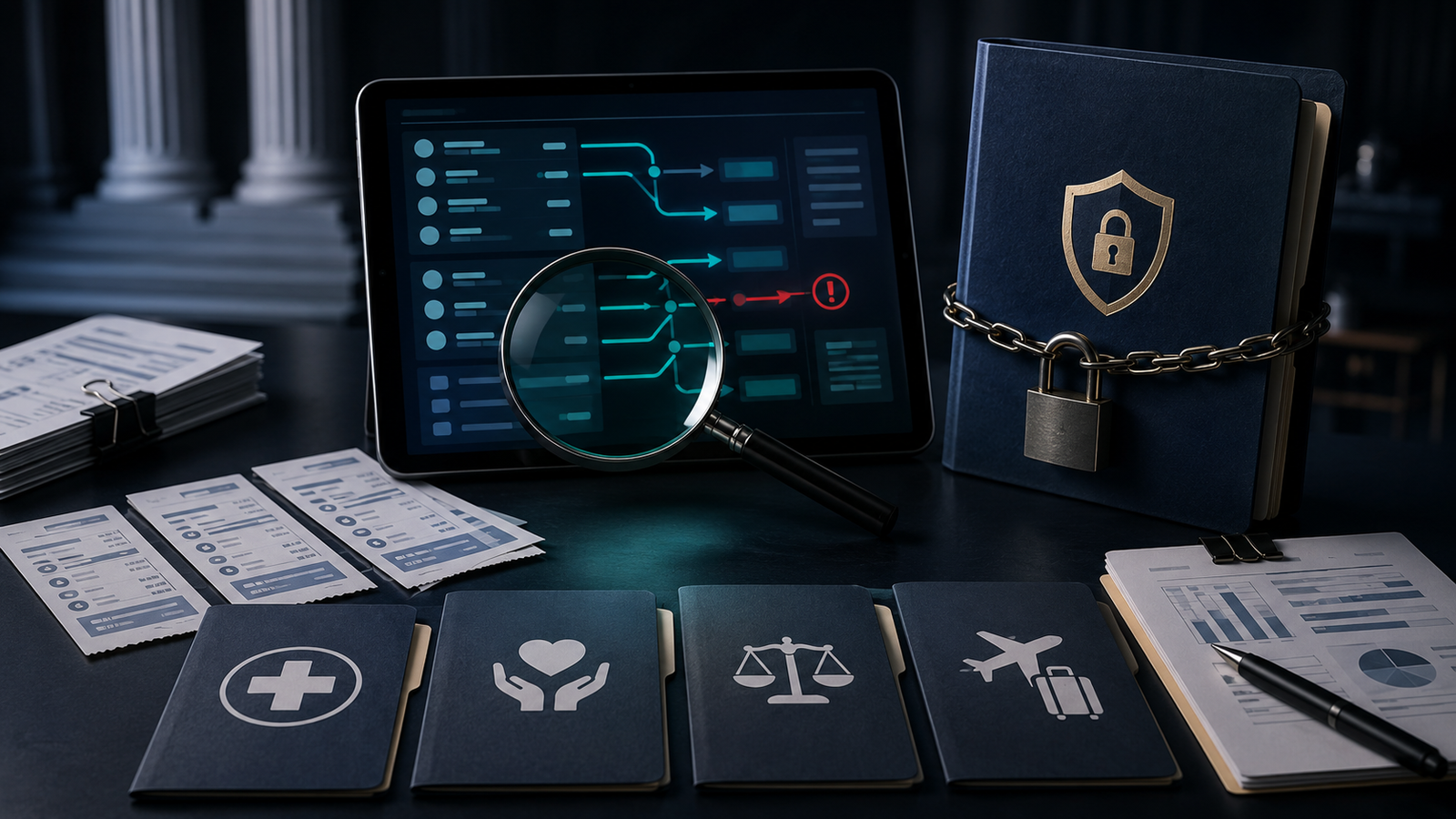
- Preserve every financial record. Save contracts, fund-management agreements, wire receipts, bank statements, balance statements, invoices and payment schedules.
- Document unpaid obligations separately. List surrogate compensation, medical bills, legal fees, travel costs and money paid to keep an arrangement moving after the closure.
- Keep original communications. Preserve emails, texts, portal messages and the December 2025 closure notice with dates and sender information.
- Verify government contacts. Do not send sensitive documents or money in response to an unsolicited message claiming to offer recovery.
- Ask independent counsel about civil deadlines. A criminal case does not automatically preserve private claims or contractual rights in every jurisdiction.
Official Victim and Case Resources
The Northern District of California’s Victim-Witness Assistance page explains the federal Victim Notification System, which can provide identified victims with case updates. People who receive a Victim Identification Number and PIN should keep them private.
Anyone with relevant information who has not been contacted can use the FBI San Francisco reporting information or submit a tip through the official FBI channel. Reporting information does not guarantee designation as a victim or a financial recovery.
Bottom Line
The Surro Connections indictment alleges that money reserved for personal and expensive surrogacy arrangements was misused while clients received inaccurate balance information. The charges are serious but remain unproven. Affected families and surrogates should preserve records, use official case channels and treat any promise of recovery with caution.
Editorial disclaimer: This article provides general consumer information and is not legal or financial advice. Criminal-case rights, restitution, civil claims and escrow obligations depend on the facts, governing contracts and applicable law.
Official Source Stack
Direct sources supporting the material claims in this report.
- Official agency release U.S. Attorney’s Office for the Northern District of California announced the charges
- Regulation or statute Family Code Section 7961
- Official agency release Justice Department’s restitution guidance
- Official agency release Victim-Witness Assistance page
This report provides general news and educational information for a U.S. audience. It is not individualized financial, credit, legal, tax, insurance or investment advice. Verify current procedures through the linked official sources.