Corrected August 23, 2026: An earlier version of this page described a specific $150 million enforcement action that was not supported by the sources cited in the article. Fiscal Wire News removed that claim and rebuilt this page around current CFPB and FTC consumer guidance.
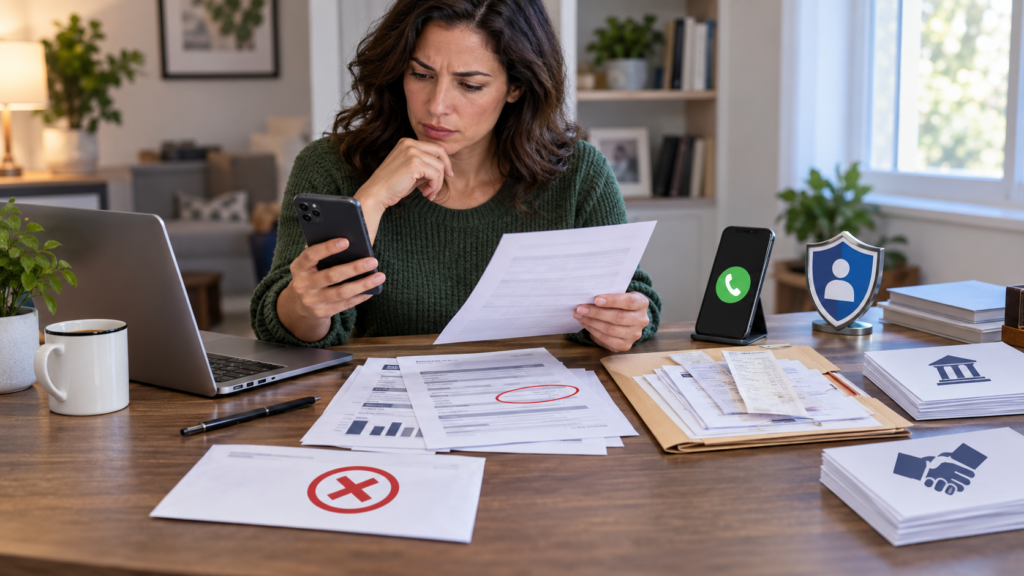
A phantom debt collection scam involves someone trying to collect money you do not owe, or money that is not payable to the person contacting you. The safest response is not to argue or pay immediately. First verify who is calling, what debt they claim to be collecting, and whether the collector can provide the information required for a legitimate collection.
Key Facts
- The CFPB says a legitimate debt collector should identify the company and provide information about the debt it says you owe.
- Refusing to provide a mailing address, threatening arrest, or demanding sensitive financial information can be warning signs of a scam.
- Debt collectors generally must provide validation information during the initial communication or within five days.
- A caller knowing part of your personal information does not prove the debt is legitimate.
- If you believe the contact is fraudulent, you can report it to the FTC and, when appropriate, submit a complaint to the CFPB.
How a Phantom Debt Collection Scam Can Sound Convincing
Fake collectors may use a real name, an old address, details from a previous loan application, or information exposed in a data breach. Those details can make a demand sound credible even when the collector has no lawful right to collect the money.
Pressure is another common tactic. A caller might threaten criminal charges, claim a lawsuit is about to be filed, or insist that payment must be made immediately. The CFPB lists threats, refusal to provide identifying information, and attempts to collect a debt you do not recognize among the warning signs consumers should investigate.
How to Verify a Debt Collector
- Ask who is calling. Request the collector’s name, company name, street address, telephone number, and professional license number if your state licenses debt collectors.
- Ask for debt information. A legitimate collector should be able to identify the creditor and the amount it says you owe.
- Do not provide bank credentials just to “verify” yourself. Confirm the collector independently before sharing sensitive financial information.
- Check your own records. Compare the claim with statements, creditor correspondence, and your credit reports when relevant.
- Contact the original creditor independently. Use contact information from a statement or verified website, not a number supplied by the suspicious caller.
The CFPB’s current guidance explains how to tell whether a debt collector is legitimate or a scam. Its broader debt collection resources also explain consumer rights and the federal Debt Collection Rule.
What a Real Debt Collector Can and Cannot Do
A legitimate debt collector can contact a consumer about a valid debt and may have lawful options if the debt remains unpaid. That is different from threatening criminal arrest for an ordinary consumer debt or refusing to identify the company.
If the debt is valid, simply ignoring it may not make the issue disappear. Verification is the first step. After that, consumers can use the dispute and validation procedures that apply to their situation.
What to Do if You Think the Call Is Fake
- End the call if the person is threatening you or demanding immediate payment through an unusual method.
- Save voicemails, text messages, email addresses, phone numbers, payment instructions, and screenshots.
- Contact your bank promptly if you already sent money or shared account credentials.
- Report suspected fraud through ReportFraud.ftc.gov.
- If the issue involves debt collection conduct, use the CFPB consumer complaint portal when appropriate.
Bottom Line
A threatening call is not proof that a debt exists. Verify the collector, obtain the debt details, compare them with your own records, and use official complaint channels when something does not add up.
This article provides general news and educational information for a U.S. audience. It is not individualized legal or financial advice.
Official Source Stack
Direct sources supporting the material claims in this report.
- Official agency release how to tell whether a debt collector is legitimate or a scam
- Official agency release debt collection resources
- Official agency release ReportFraud.ftc.gov
- Official agency release CFPB consumer complaint portal
This report provides general news and educational information for a U.S. audience. It is not individualized financial, credit, legal, tax, insurance or investment advice. Verify current procedures through the linked official sources.